Watt's the Cost? Understanding Electricians' Fees and Solutions
When it comes to maintaining a protected and effective home, grasping electrical systems and services is essential. Homeowners often face a mix of frequent electrical problems, especially in older residences where wiring and components may be obsolete or overextended. Knowing when to call a professional electrician can make a significant change in both protection and financials. From flickering lights to tripped circuit breakers, recognizing the signs that require professional assistance is vital for avoiding further complications.
As technology continues to evolve, homeowners also have the opportunity to improve their electrical systems for enhanced efficiency and enhanced property value. With intelligent home systems, energy-efficient lighting, and the growing demand for electric vehicle chargers, there are several options to consider. This article will guide you through multiple aspects of electrical work, including typical issues, safety tips, and the benefits of qualified electrical upgrades, ensuring that you are well-informed when it comes to making decisions about your home’s electrical demands.
Signs You Need an Electrician
Several signs imply that you should consider to call a qualified electrician. A of the frequent signs is frequent tripped circuit breakers. If a particular circuit is tripping regularly, it could signal an overload or a fault that needs immediate attention. Ignoring these signs can result in more serious electrical problems.
Another sign to look for is blinking or dimming lights. Such issues can be attributed to poor connections or aged fixtures, which can pose safety hazards if not resolved. If you see that lights are flickering consistently or when using certain appliances, it’s best to speak with an electrician to examine the situation and confirm your home’s wiring is secure.
Furthermore, if you are noticing a burning odor or notice burn marks around outlets, do not hesitate to get in touch with an electrician. They indicate grave electrical problems, including the risk of fire. Taking immediate action when detecting these signs can help protect your home and guarantee the safety of your living environment.
Electrical Upgrades for Performance
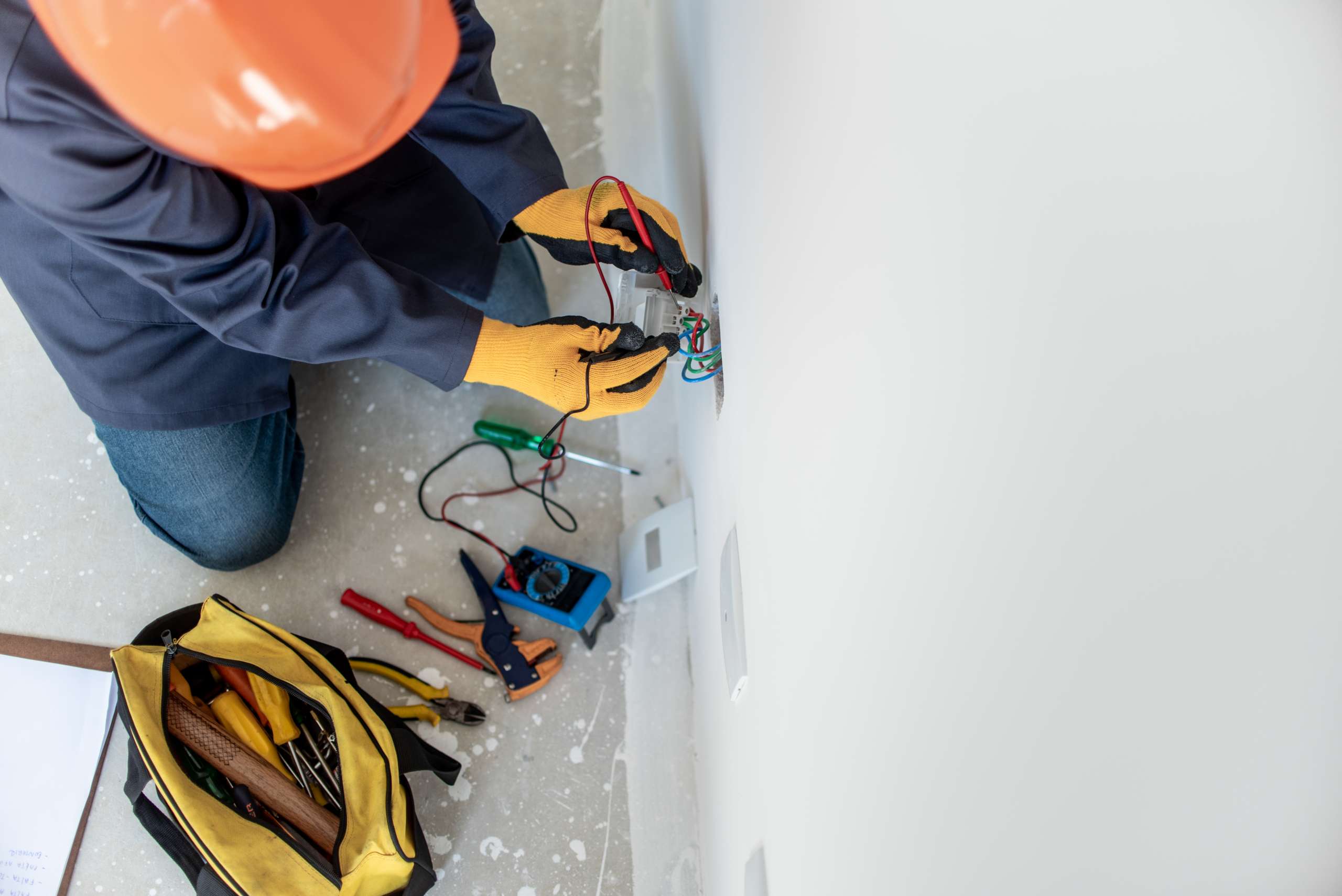
Upgrading your home’s electrical system can significantly enhance power efficiency while reducing energy costs. One of the most beneficial upgrades is setting up LED lighting throughout your home. LED lights use less power compared to traditional bulbs and have a extended lifespan, causing lower electricity bills and less frequent replacements. Making the transition not only illuminates your living space but also shows a pledge to environmental responsibility by minimizing energy consumption.
Another, key upgrade is the setup of smart thermostats. These instruments allow residents to control their heating and cooling systems significantly efficiently through automation. Smart thermostats understand your routines and preferences, maximizing energy use by modifying temperatures based on when you are home or absent. This system not only improves comfort but also results in substantial savings on heating bills over time.
Finally, the significance of a new electrical panel cannot be underestimated. An upgraded panel accommodates increased loads from modern appliances and electrical systems, ensuring your house can handle the requirements of modern-day technology. This upgrade improves safety and efficiency, allowing for potential upcoming additions such as EV charging stations. By investing in these key electrical upgrades, property owners can attain greater energy efficiency and enhance complete property value.
Protection and Care Advice
Ensuring protection within electrical systems in your home is paramount. Always acquaint Additional reading with basic electrical protection guidelines, especially if you have little children. Instruct them to avoid touching electrical outlets and to keep clear from power lines. Regularly inspect electrical cords for fraying or wear and replace any that are compromised to prevent shocks or fires. Additionally, installing childproof outlet covers can add an extra layer of protection in households with young kids.
Regular upkeep of your electrical system can go a long way in avoiding hazardous situations. Arrange annual electrical inspections with a licensed electrician to detect potential risks. These inspections assist catch issues like outdated wiring or excessively used circuits before they escalate into major problems. By maintaining your electrical systems in top shape, you not only ensure safety but also extend the lifespan of your devices and equipment.
When it comes to DIY electrical work, proceed with caution. Many homeowners try small repairs, but this can lead to common mistakes that jeopardize safety. It’s prudent to know one's limits; if a task feels beyond your expertise, don’t hesitate to call a professional electrician. Additionally, maintaining a clean and tidy area around electrical panels and outlets helps prevent accidents and ensures that you can quickly access them in case of an emergency.