The Outlook of Heating, Ventilation, and Air Conditioning: Innovations Transforming Our Climate Control
As society transforms, so too does the technology that provides us ease in our homes and workplaces. The HVAC industry is at the forefront of advancements, driving breakthroughs that not only improve comfort but also encourage efficient energy use and improve indoor air quality. With climate change and rising energy costs becoming urgent concerns, the future of HVAC systems is more vital than ever.
In this article, we will examine the latest trends and trends shaping environmental control, from smart thermostats that maximize energy efficiency to cutting-edge air cleaning technologies that tackle air quality issues. If you own a home looking to improve your HVAC system or simply curious about how to better maintain your current setup, you'll find helpful tips here. We'll cover essential topics such as the optimal time to maintain your HVAC system, how to spot warning signs that it's due for service, and the proper way to maintain optimal performance throughout the seasons. Join us as we dive into the future of HVAC and discover how these developments can enhance not just your comfort, but also your quality of life.
Vital HVAC Care Guidelines
Routine maintenance of your HVAC system is critical for promoting peak performance and longevity. One of the most important tasks is to replace your air filters frequently. Clogged filters restrict airflow and can make your system work harder, increasing energy costs and diminishing efficiency. It is recommended to check your filters monthly and replace them every three months or as needed, particularly during peak usage seasons. This simple step can greatly improve your HVAC's efficiency and indoor air quality.
Additionally, organizing annual professional inspections and tune-ups is important. These services can find potential issues before they worsen into costly repairs. During a tune-up, a technician will examine key components, clean the system, and confirm that everything is functioning correctly. https://goheronow.com/why-regular-hvac-maintenance-is-essential-for-your-home/ prolongs the life of your HVAC system but also preserves its efficiency, helping you cut on energy bills in the long run.
Lastly, homeowners should think about implementing a seasonal maintenance checklist. This checklist should feature tasks such as cleaning the outdoor unit, checking the thermostat settings, and verifying that ducts are sealed and insulated. By following a seasonal checklist, you'll guarantee that your HVAC system is set for the demands of each season, regardless of whether it is heating during winter or cooling during summer. Consistent attention to these tasks can avoid many common HVAC issues and keep your home cozy year-round.
Advancements in Heating, Ventilation, and Air Conditioning Technology
The Heating, Ventilation, and Air Conditioning sector is experiencing a surge of innovations that aim to enhance efficiency and improve indoor conditions. One noteworthy development is the incorporation of smart technology. Smart controllers allow homeowners to manage their heating and cooling systems remotely via applications, leading to more accurate temperature management and energy savings. These units can understand user preferences and adjust controls automatically, resulting in optimal efficiency tailored to individual needs.
Another area of innovation is the rise of energy-efficient HVAC systems, which are designed to reduce energy consumption while maintaining efficiency. Advanced solutions such as VRF systems and geothermal systems are increasing in popularity. These systems utilize renewable energy sources and advanced thermal exchange techniques to provide effective heating and cooling options, reducing utility bills and minimizing environmental impact.
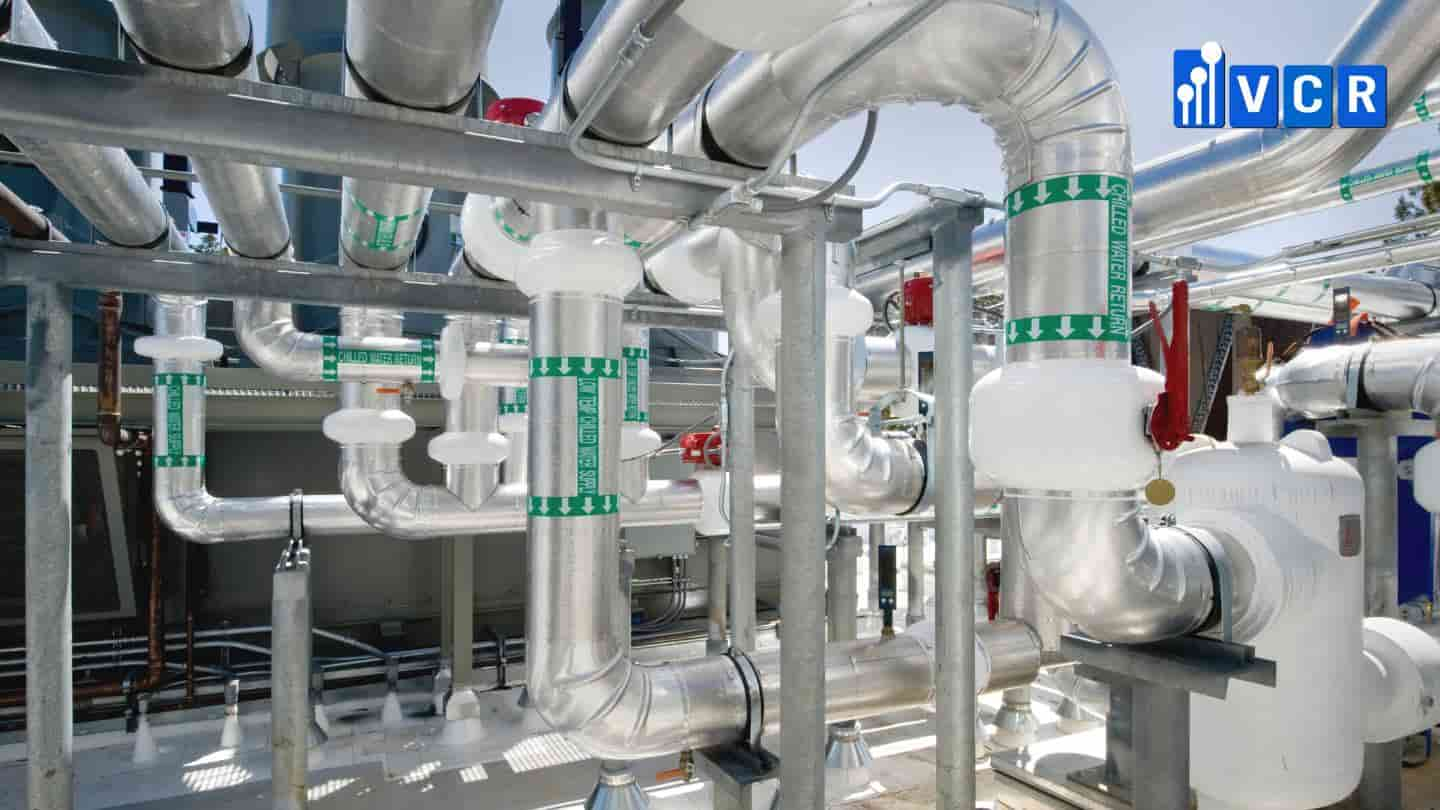
Finally, the enhancement of indoor air quality through HVAC technology has become a priority. Innovations like advanced filtration systems and air purifiers integrated into HVAC units are addressing concerns about allergens and pollutants. Enhanced ventilation systems ensure a constant flow of fresh air while filtering out harmful particles, contributing to healthier indoor environments. As awareness of air quality grows, these innovations play a crucial role in promoting residential health.
Enhancing Indoor Air Quality
The quality of indoor air is essential for upkeeping a healthy home environment. One of the most efficient methods to enhance air quality is through routine HVAC upkeep. This includes replacing air filters regularly to avoid dirt, pollen, and other particles from flowing in the home. High-efficiency filters can trap microscopic particles, leading to a noticeable increase in air quality. Additionally, scheduling periodic professional inspections ensures that the system is functioning efficiently and clear of contaminants that could affect health.
Another important aspect is the integration of air purifiers into your HVAC system. These devices can eliminate suspended pollutants and allergens, trapping particles that standard filters may overlook. Some high-tech air purifiers utilize HEPA filters or even UV light technology to kill dangerous microorganisms. By integrating these systems with your HVAC, you can build a thorough approach to maintaining clean air, making sure that all areas benefits from better air quality.
Humidity control is also a vital component of indoor air management. High humidity levels can foster mold growth and dust mites, which can aggravate allergies and respiratory issues. Humidifiers and dehumidifiers work alongside HVAC systems to regulate appropriate humidity levels, creating a healthier atmosphere. Tracking and tweaking humidity not only contributes to enhanced air purity but also boosts the overall efficiency and longevity of your HVAC system.