The Art of Farewell: Designing Significant Farewell Ceremonies
Saying goodbye to a loved one is some of life's most challenging experiences. The emotional weight of loss can be overwhelming, and amidst the grief, families often find themselves faced with the formidable task of planning a funeral. This process can be complicated, with numerous decisions that must be made during a time of profound sorrow. Understanding how to start planning a funeral for a loved one is crucial for managing this journey, and it can also help lighten the burden on the family.
Creating a significant farewell is not just about the practicalities; it is an occasion to honor the life of the departed and honor their legacy. This guide aims to provide families with thorough insights into funeral planning, covering all aspects from understanding the expenses involved and choosing between burial or cremation to personalizing the service and maintaining a financial plan. By exploring the fundamentals of funeral planning, families can find a path toward shaping a farewell that reflects their loved one's unique spirit and brings solace to those left behind.
Key Elements in Funeral Preparation
Planning a funeral for a dear one can be overwhelming, but dividing it up into key phases can make the process more controllable. The first step is to gather as much data as you can about your loved one's wishes. This might include talks about burial or cremation preferences, as well as any particular desires for the service, such as music, texts, or tributes. Knowing what your dear one envisioned can guide many of the decisions you will need to make.
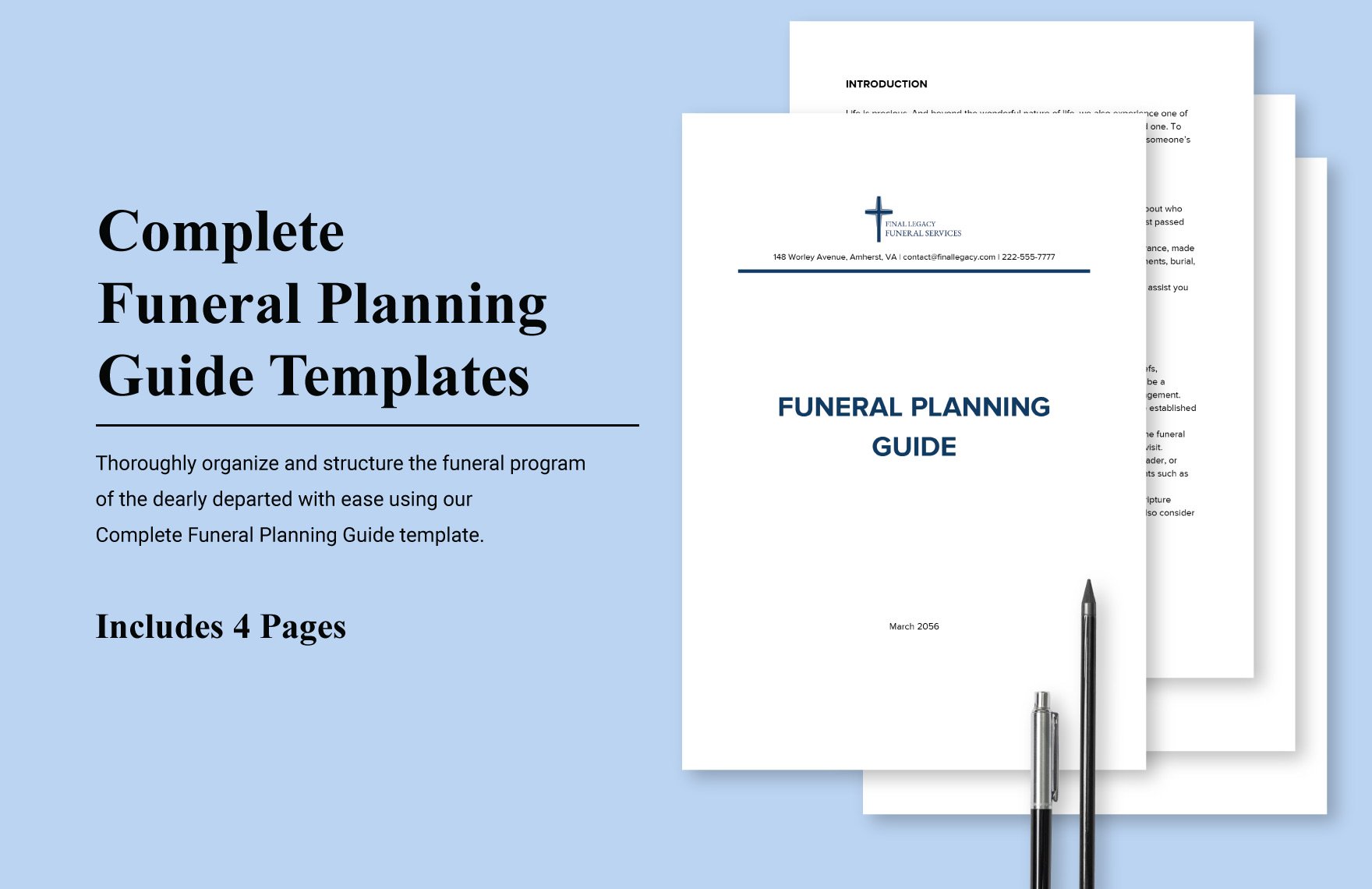
Next, it is essential to create a budget for the funeral. Understanding the costs involved in funeral arrangement can help avoid unexpected expenses. Determine whether you will be opting for a traditional funeral service, a memorial service, or a celebration of life. Each option comes with various costs, so being clear about your financial limits can help streamline planning. Additionally, consider how much you can set aside for elements like caskets, flowers, and venue rentals.
Once you have a grasp of your loved one's wishes and your budget, you can start to select the right funeral director. Choosing a compassionate and knowledgeable funeral director who understands your family's needs is crucial. Funeral Planning Chester can assist you through the many decisions that need to be made, from paperwork to arrangements. Having this support can reduce a great deal of stress during a challenging time, allowing you to focus on honoring your dear one in a Significant way.
Monetary Aspects
When arranging a final rites, understanding the financial implications involved is vital for making informed decisions. Funerals can differ significantly in cost depending on different factors, including location, type of service, and particular arrangements desired. Families should be aware of the typical charges, such as the casket, service fees, transportation, and any extra memorial items, which can quickly accumulate, leading to unforeseen financial strain.
To prevent surprises, it is beneficial to create a detailed budget before meeting with mortuary professionals. Knowing what you can pay for and talking about these financial limits openly can help funeral directors adapt their suggestions to fit your needs. Additionally, it's important to ask about costs in advance and seek a written estimate, ensuring clarity in every aspect of the organizing process.
Exploring options like advance payment funeral plans can provide financial relief as well. Prepaid plans allow individuals to secure prices and alleviate the burden on family members during a challenging time. However, it's crucial to comprehend the terms and conditions of such plans, including any refunds or transferability if needs alter. Exploring all these financial aspects will enable families to organize meaningful services without the pressure of unmanageable expenses.
Customizing and Service Choices
Customizing a funeral is a significant way to honor the life of a loved one and represent their personality, values, and interests. Families can include elements that were important to the deceased, such as beloved colors, hobbies, or treasured memories. This can be achieved through personalized decorations, photo displays, and even themed gatherings that encapsulate the essence of the individual, creating a more meaningful experience for attendees.
Service choices can vary widely, with traditional funerals often centering on solemnity and ritual, while celebration of life services emphasize joyous remembrance and personal stories. Families can decide which type of ceremony resonates best with their loved one's legacy. Additionally, incorporating unique rituals, such as storytelling sessions, video montages, or live music performances, can elevate the emotional impact of the service, making it a heartfelt tribute that leaves a lasting impression on everyone present.
When considering personalization, it's also important to consider about the overall tone and atmosphere of the ceremony. Whether opting for a casual gathering in a park or a formal service in a chapel, the setting should encourage a sense of connection among attendees. By carefully blending personal touches with chosen ceremony options, families can create a rich, lasting experience that truly celebrates the life and spirit of their loved one.