Set Sail with Finesse: Selecting the Ideal Marine Cover
measurements and any supplementary attachments that may affect the fitting, as a perfect fit is essential for greatest protection.
When it relates to fabrics, boat covers typically are made of heavy-duty fabric, polyester, or a mixture of the two. Each material offers specific benefits; for instance, canvas is famous for its strength and ventilation, whereas synthetic material tends to be light and water-resistant. Considering the common climate environments your boat will face is also crucial, as some protections are designed for harsh conditions, while alternative options are better fitted for milder conditions.
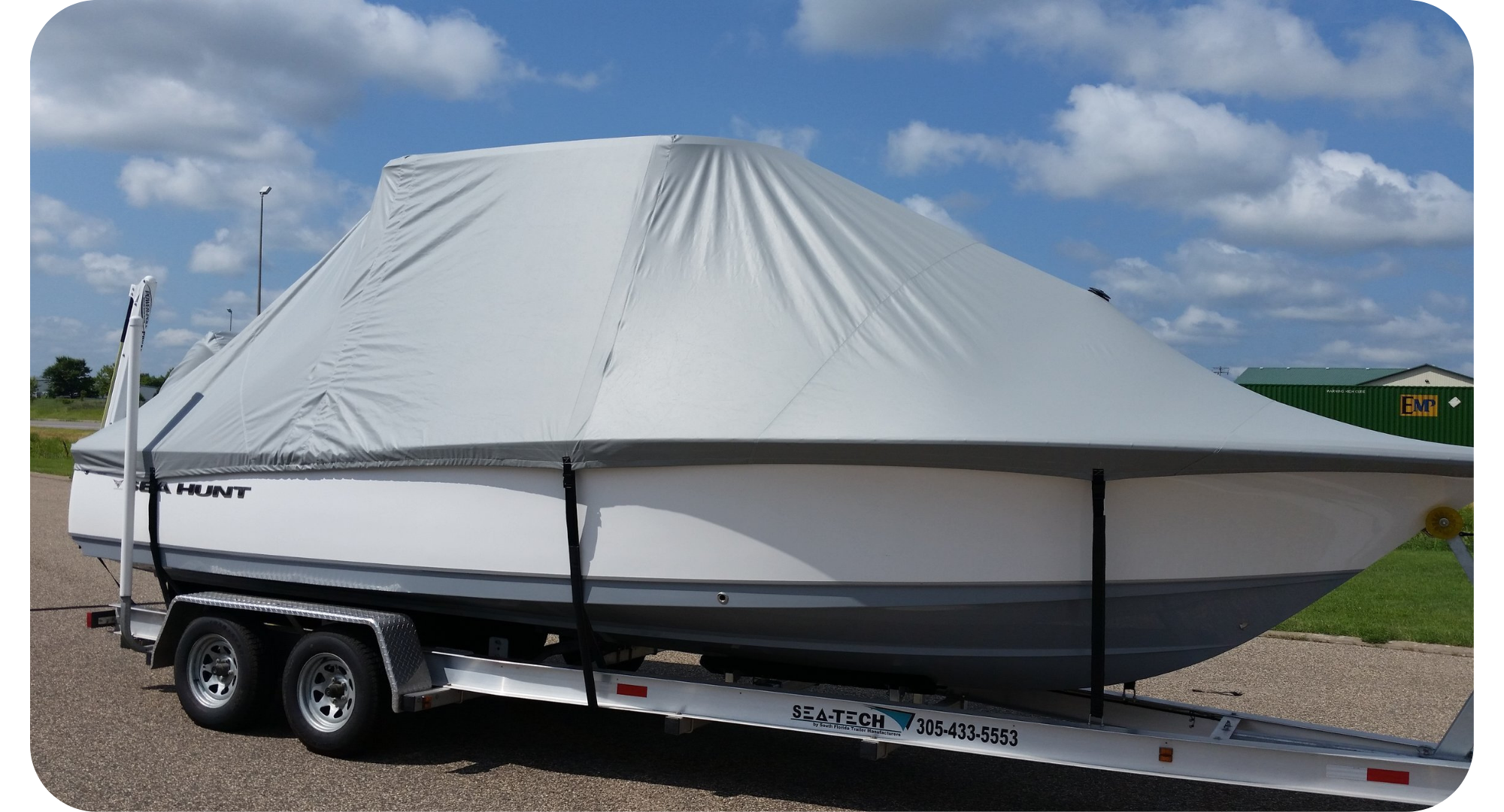
Tailored vessel protections can offer an excellent fitting and often include additional options like reinforced stitches and tailored openings for accessories. On the other hand, general vessel protections offer a budget-friendly choice and can function effectively for many boat types. Finally, evaluating your individual needs and wants will aid you locate a vessel protection that not only protects but also improves your yachting experience.
Boat Cover Fabrics and Designs
When selecting a cover for your boat, understanding the various materials available is crucial for making an informed choice. Common materials encompass marine-grade fabric, polyester fabric, PVC, and polyethylene. Canvas is known for its durability and air-permeability, making it a preferred choice among marine enthusiasts in need of a reliable option. Polyester conversely, offers a combination of durability and affordability, while vinyl and the polyethylene cover are ideal for protecting against all weather due to their water-resistant properties. Boat Cover Carnforth Lancashire has its own set of benefits and potential cons, depending on your specific needs.
The style of the boat cover also plays a crucial role in defining the level of defense and practicality it offers. There are multiple styles to explore, including complete covers, tailored covers, and transportable covers. Complete covers provide total shielding, covering the full boat from the weather, while tailored covers are adapted to the specific dimensions of your boat for optimal fit. Trailerable covers are designed to stay secure during movement, minimizing the risk of fluttering and tear from wind. Each style has its purpose, so being aware of which one aligns best with your workspace and storage methods is crucial.
Moreover, boat covers can come with different features that boost their functionality. Some covers include reinforced seams for increased toughness, while others might have built-in ventilation openings to promote air flow and prevent moisture accumulation. Ultraviolet protection is yet another important aspect that safeguards your boat from solar damage, prolonging its lifespan. When shopping for a boat cover, it’s valuable to consider these additional characteristics to confirm you choose a cover that not only fits well but also satisfies all your requirements for protection throughout the year.
Maintenance and Care for Covering Boats
Proper maintenance and maintenance for your boat cover can significantly prolong its duration and maintain its effectiveness. Frequently check your boat cover for any indications of deterioration, such as fraying seams, tears, or discoloration. If any damage is found, fix it immediately to prevent further damage. Keep the boat cover clean by removing dirt, debris, and bird droppings, as these can hold moisture and lead to mold and mildew growth.
When cleaning your boat cover, use a mild soap and a soft scrubber, steering clear of harsh chemicals that can damage the fabric. Wash well to ensure no soap residue remains. Allow the boat cover to dry completely before folding or putting it away to prevent moisture accumulation. If your boat cover is made for water resistance or waterproof protection, periodically treat it with a liquid waterproofing solution to maintain its protective qualities.
Properly storing your boat cover properly when not in use is just as important as maintaining it. Store the boat cover in a chill, arid place, sheltered from direct light from the sun and extreme temperatures, which can lead to damage. Consider using a storage container that is breathable to block dirt while providing airflow. By giving your boat cover the attention it deserves, you ensure that it continues to safeguard your boat for years to come.