Peptide Unleashing: Innovations in Pharmaceutical Creation
Peptide molecules, the short chains of amino acids that serve as the building blocks of proteins, are receiving increasing interest in pharmaceutical research due to their distinct characteristics along with their therapeutic potential. As we investigate the realm of peptides, it becomes clear that comprehending these substances is vital for both researchers and those interested in the advancements of modern biology. From their role in cellular signaling to how they affect cell dynamics, these peptides have a significant impact on health and disease, which makes them central to pharmacological advancements.
In this study of peptide science, we will provide a thorough overview of peptides and how they function within biological systems. Readers will discover how the configuration of peptides affects their biological activity, the important distinctions between peptides and proteins, and the critical role they play in various physiological processes. Additionally, we will discuss how researchers discover and develop new peptides, the techniques used to study their interactions with cellular targets, alongside the promising future they embody in drug development. With technological advancements and a richer comprehension of peptide biology, the journey from lab research to clinical applications is more promising than ever.
Comprehending Peptide Chains: Basics and Functions
Peptides are brief chains of AA typically made up of two to fifty amino acids connected through peptide bonds. They act as basic building blocks in biological systems and play crucial roles in various cellular processes. In contrast to proteins, which are larger and more complex, peptides exhibit specific functions that can be attributed to their specific sequences and structures. This straightforwardness makes them an appealing subject of study in the realm of biochemistry and drug development.
The function of a peptide is largely determined by its amino acid sequence. Different combinations of amino acids result in specific three-dimensional structures, which in turn influence how peptides interact with cells. This communication often occurs through receptors on the surface of cells, initiating various biological responses. Comprehending how these interactions take place is essential for researchers aiming to utilize peptides for therapeutic purposes, as they can often mimic or modulate the functions of natural hormones and neurotransmitters.
In besides their roles in signaling, peptides are also participating in immune responses and function as antimicrobial agents. Their flexibility makes them significant in modern biology, especially in the context of drug discovery. Researchers are constantly exploring how these small molecules can target specific pathways in the body, facilitating the development of novel treatments for diseases ranging from cancer to metabolic disorders. As science progresses, the importance of understanding peptides and their functions becomes progressively clear, paving the way for advancements in medical treatments.
Protein Discovery and Progress Procedure
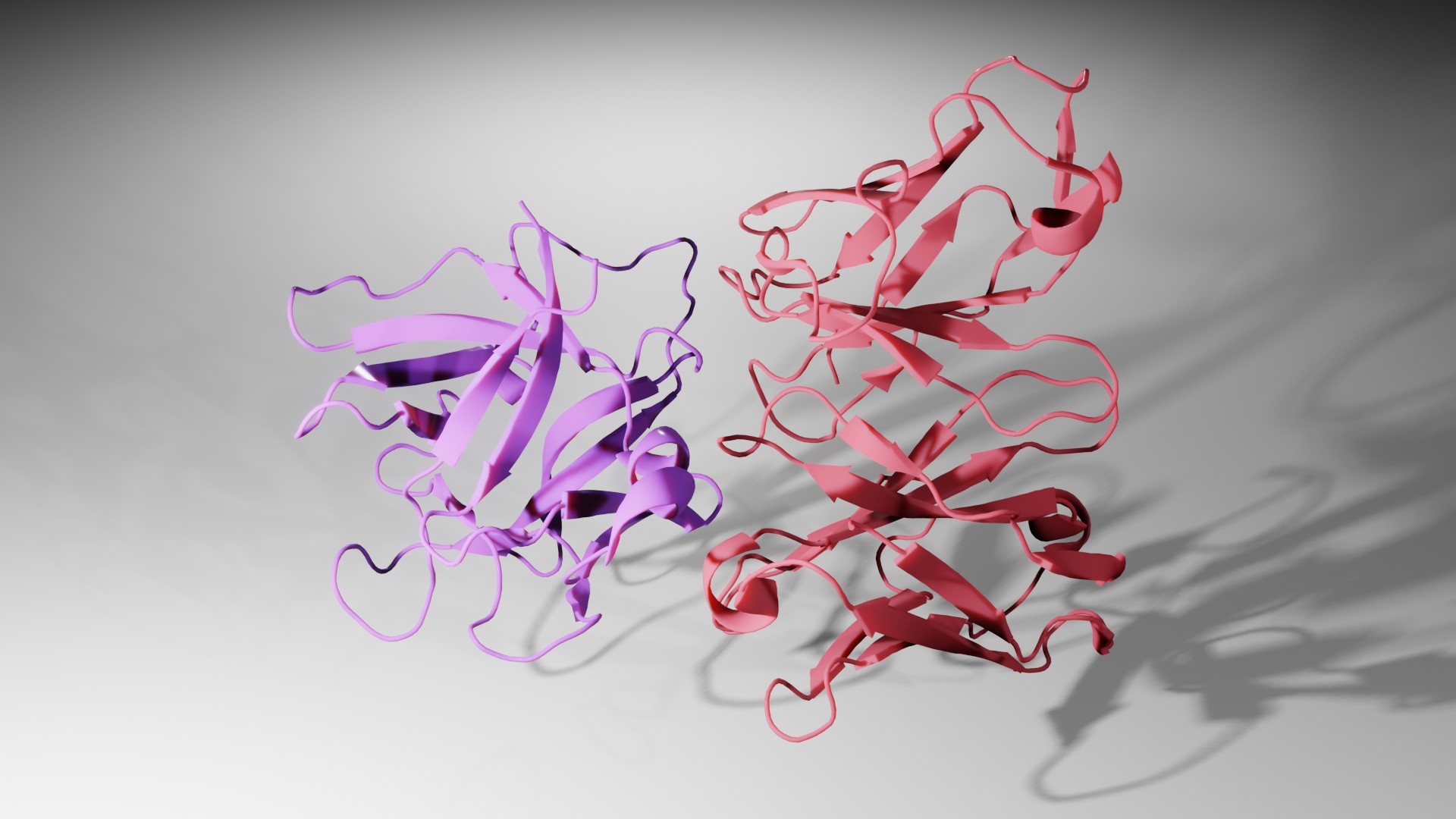
The finding and creation of proteins as therapeutic agents is a challenging path that starts with identifying possible targets in biological systems. Researchers often start by investigating the functions that endogenous proteins have in cell communication and signal transduction. Understanding how they interact with different targets and affect cell responses is fundamental in choosing peptides that could possess therapeutic promise. This initial phase involves extensive research and preliminary experiments to hypothesize which molecules might exhibit desired biological activities.
Once potential candidates are identified, researchers move into the synthesis phase, where synthetic molecules are created based on specific protein chains. Techniques such as solid-phase peptide synthesis enable scientists to efficiently create molecules with a great purity. Importantly, the durability and folding of created peptides are meticulously evaluated to confirm that they retain their biological activity. Researchers also use various analysis methods, including mass spectrometry, to confirm the composition and confirm the character of these peptides, setting the stage for further testing.
After creation and characterization, peptides undergo stringent pre-market assessments to evaluate their effectiveness and tolerance. This includes studying how molecules work with their goals and their drug absorption and distribution profiles, as well as conducting test tube and live studies. Sophisticated bioinformatics techniques play an integral role in predicting peptide behavior and leading modifications that enhance their characteristics. As scientists progress through this multifaceted development method, the final goal is to deliver effective peptide-based therapeutics from the lab to medical applications, addressing unmet healthcare requirements with innovative approaches.
Peptide molecules in Modern Pharmaceutical Development
Peptides have emerged as a key component in contemporary pharmaceutical development due to their distinct capability to target particular biological routes with high precision. Unlike https://originalpeptidesciences.com/ , peptides can engage with biological systems in a more nuanced way, often leading to fewer side effects. This targeted action is largely credited to its capability to attach to receptor sites on the outer layer of cell membranes, triggering specific cellular reactions and influencing signaling pathways. As a result, peptides are being developed for a wide range of therapeutic applications, including cancer treatment, metabolic disorders, and contagious illnesses.
The production process of peptide-based drugs is intricate, involving a combination of computational biology, rapid screening, and optimization of protein sequences. Researchers must understand how structural and compositional variations influence the biological activity of peptides, which makes the investigation of collections of peptides and synthetic peptides essential in identifying new candidates. Techniques such as mass spectrometry are vital in defining these peptide molecules and ensuring their purity and consistency, critical factors that determine the effectiveness and safety in clinical settings.
As the domain of peptide molecule science continues to evolve, innovations such as novel delivery techniques and the integration of peptides with additional medical modalities are paving the way for increasingly efficient treatments. The prospects of peptide molecule study looks encouraging, with ongoing studies focusing on understanding interactions with peptide targets interactions and enhancing their stability in biological environments. As scientists continue to decipher the complexities of peptide molecule biology, we can expect a new wave of peptide drugs that will transform the landscape of contemporary medicine.