Out of Laboratory into Life: Exploring the Practical Applications of Peptide Research
Peptide research stands at the cutting edge of contemporary biological research, illuminating the nuances of cellular communication and the multitude of functions these small but mighty molecules execute in living creatures. Made up of amino acid sequences, peptides are not only crucial for numerous physiological processes but also act as powerful tools in drug discovery and development. Comprehending peptides and their mechanisms allows for innovative therapies and treatments that may transform healthcare.
In this exploration of peptide science, we will explore the basics of what peptides are and how they operate within biological frameworks. From their initial detection and structural analysis to their roles in cellular signaling, we will disentangle the science that underpins their importance in both research and everyday applications. As we progress through the evolution of peptide research, we will highlight the promising advancements that continue to emerge, emphasizing the promise of peptides to bridge the gap between laboratory findings and practical solutions in common practice.
Grasping Peptides: Essentials and Significance
Peptides are short sequences of amino acids linked by covalent links, usually consisting of 2 to 50 amino acids. These biological molecules play a vital role in numerous physical processes, functioning as hormones, chemical messengers, and signaling molecules that facilitate interaction between cellular structures. Their relatively modest size versus proteins allows them to be more versatile and effective in providing specific biological impacts. Grasping what these molecules are and in what way they operate is crucial in the fields of biological chemistry and healthcare.
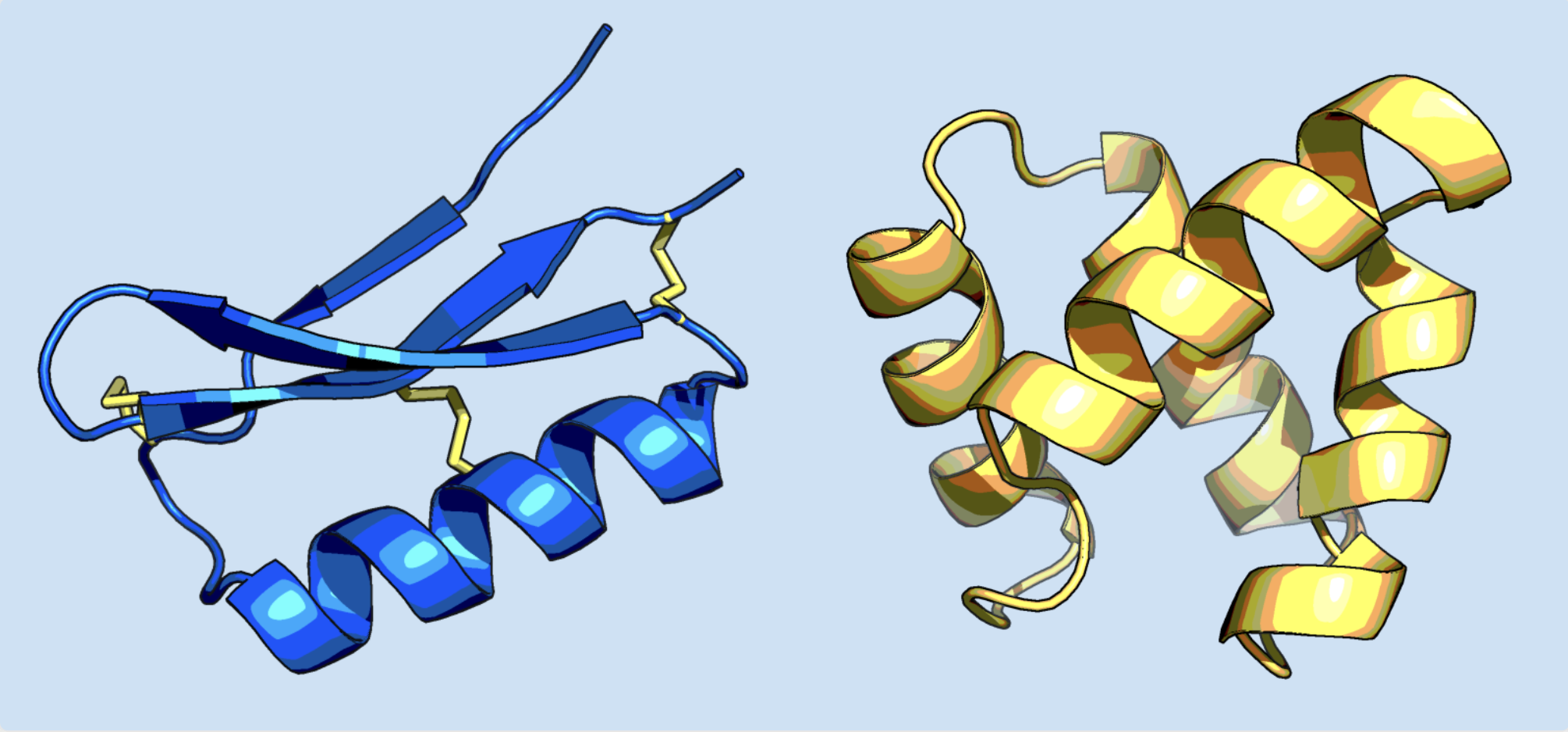
The significance of peptides extends beyond their basic meaning. These substances are essential for various physiological activities, including metabolic processes, immune response, and cell signaling. In contemporary biology, scientists focus on how these molecules engage with cells and cell receptors to trigger specific responses, making them vital in the development of novel treatment approaches. The capability of these molecules to alter biological activity places them at the leading edge of medical research, as they offer potential answers for various illnesses, including cancer and diabetes.
Recent developments in the study of peptides have also revealed their promise in medication development and development. The journey from laboratory to life encompasses the identification, creation, and characterization of peptides, which involves complex techniques and methodologies. As researchers explore the ways in which synthetic peptides can mimic their natural counterparts, the consequences for personalized medicine and targeted therapies become increasingly evident, highlighting the significance of peptides in molding the future of healthcare.
Peptide Study: Methods and Challenges
Protein research employs a number of methods to explore their configuration, function, and interactions with biochemical systems. One key method is the use of mass spectrometry, which allows scientists to detect and measure proteins with high accuracy. This technique can reveal the amino acid sequences of proteins, providing understanding into their biological roles. Additionally, techniques like nuclear magnetic resonance analysis and cry crystallography are used to determine the three-dimensional structures of proteins, crucial for understanding their functionality and relations with specific receptors.
Despite the progress in techniques, protein research faces significant challenges. One major issue is the stability of proteins, which can be prone to degradation in living environments. Researchers must develop durable protein variants to ensure their efficacy in applications such as drug development. Furthermore, the production of proteins in sufficient amounts and cleanness remains a challenge, as contaminants can affect experimental results and hinder the understanding of peptide activity. This requires meticulous refinement techniques and rigorous QC measures.
Another challenge in protein research revolves around forecasting peptide activity based on their peptide sequences. While the relationship between structure and function is important, the intricacy of biological systems means that experimental validation is often necessary. Researchers must design experiments that effectively clarify peptide-cell interactions and the subsequent cellular responses. Advancements in computational biology are aiding in this area, but combining these predictions with experimental results continues to be a vital aspect of ongoing research efforts.
Utilizations of Peptide Technology in Healthcare
Peptide science plays a pivotal role in the development of treatments, offering cutting-edge solutions for a range of medical conditions. One of the most significant applications is in pharmaceutical discovery, where peptides serve as valuable therapeutic agents due to their ability to connect specifically to target receptors. This precision allows for the design of drugs that minimize side effects while enhancing efficacy. For instance, peptide-based medications are becoming progressively popular in treating diabetes mellitus, cancer, and pathogen-related illnesses, often exceeding traditional small molecule drugs in terms of safety and focus.
Another important application of peptide science is in medical testing, where peptides are used as signals for numerous diseases. Advances in mass spectrometry and other analytical techniques have enabled researchers to recognize peptide patterns associated with certain medical conditions, leading to more reliable and timely diagnoses. Peptide Science heightened awareness allows for early identification of diseases such as specific cancers, paving the way for more effective treatment options when they are most needed. Additionally, peptides can be employed in imaging methods, improving the visualization of pathological processes in the body.
Finally, the field of personalized medicine is progressively leveraging peptide science to customize therapies to personal patients. By comprehending the unique peptide interactions within a person's body, clinicians can design customized treatment plans that align with their distinct biochemical environment. This approach not only improves the success of treatment but also lowers the likelihood of adverse reactions. As research continues to explore the complexities of peptide biology, the potential for more advanced therapeutic strategies and personalized interventions continues to expand, marking a significant breakthrough in medical science.